
GHANAFEST 2026: A Celebration of Home, Heritage, and Hope in Montreal
By The Maple Chronicles Team
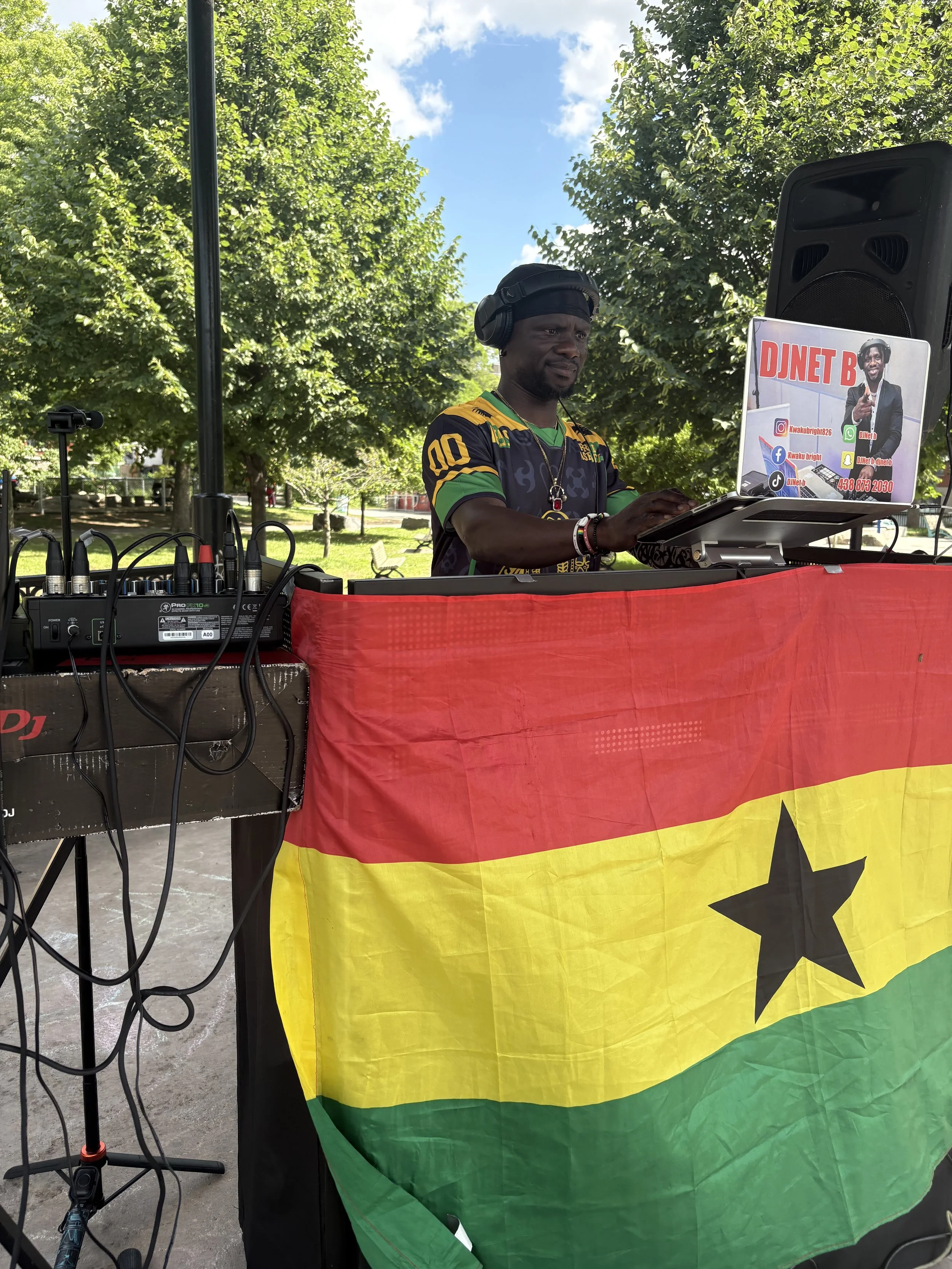
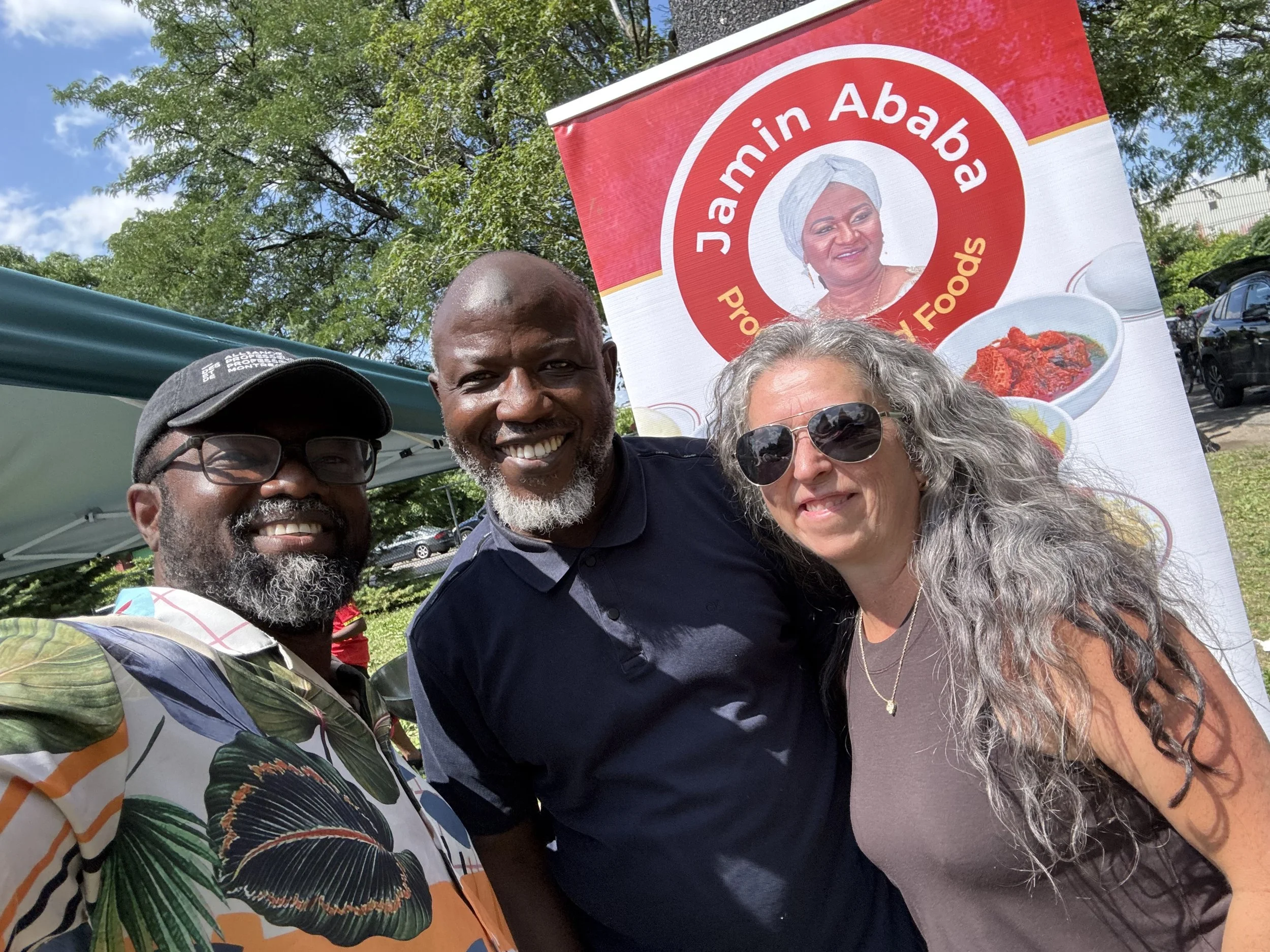
Yesterday, Montreal once again welcomed hundreds of Ghanaians to Howard Park for
one of the community's most anticipated annual celebrations—GHANAFEST 2026. The
Maple Chronicles team was there from the beginning, not simply to report on the
event, but to experience it firsthand, speak with the people, and understand what this
gathering truly means.
For many people around the world, Africa is often viewed as though it were a single
country. In reality, Africa is a vast continent of more than 50 nations, each with its own
history, languages, traditions, and cultures. Ghana is one of those nations, and every
year, Ghanaians living in Quebec come together as one extended family to celebrate
their heritage, their achievements, and their future in Canada.
As soon as our team arrived at the park, we started conversations with children,
teenagers, young adults, parents, grandparents, volunteers, vendors, community
leaders, and organizers. One thing quickly became clear: GHANAFEST means
something different to every person who attends.
For the children, the answers were delightfully simple: “It’s a picnic.” And they were
absolutely right. Many of the children we met were born here in Canada to Ghanaian
parents. For them, GHANAFEST is a day of games, music, delicious food, laughter, and
seeing friends and relatives. They are becoming part of a tradition that connects them
to their family’s roots.
The young people offered another perspective. Some spent the afternoon playing
soccer while others helped their parents prepare tables and welcome visitors. Several
shared one humorous observation—the famous “Ghana Time.” Although the event was
scheduled to begin at noon, by 2:00 p.m. many exhibition booths were still arranging
chairs and displays. Yet no one seemed overly concerned. The atmosphere remained
relaxed, joyful, and full of anticipation.
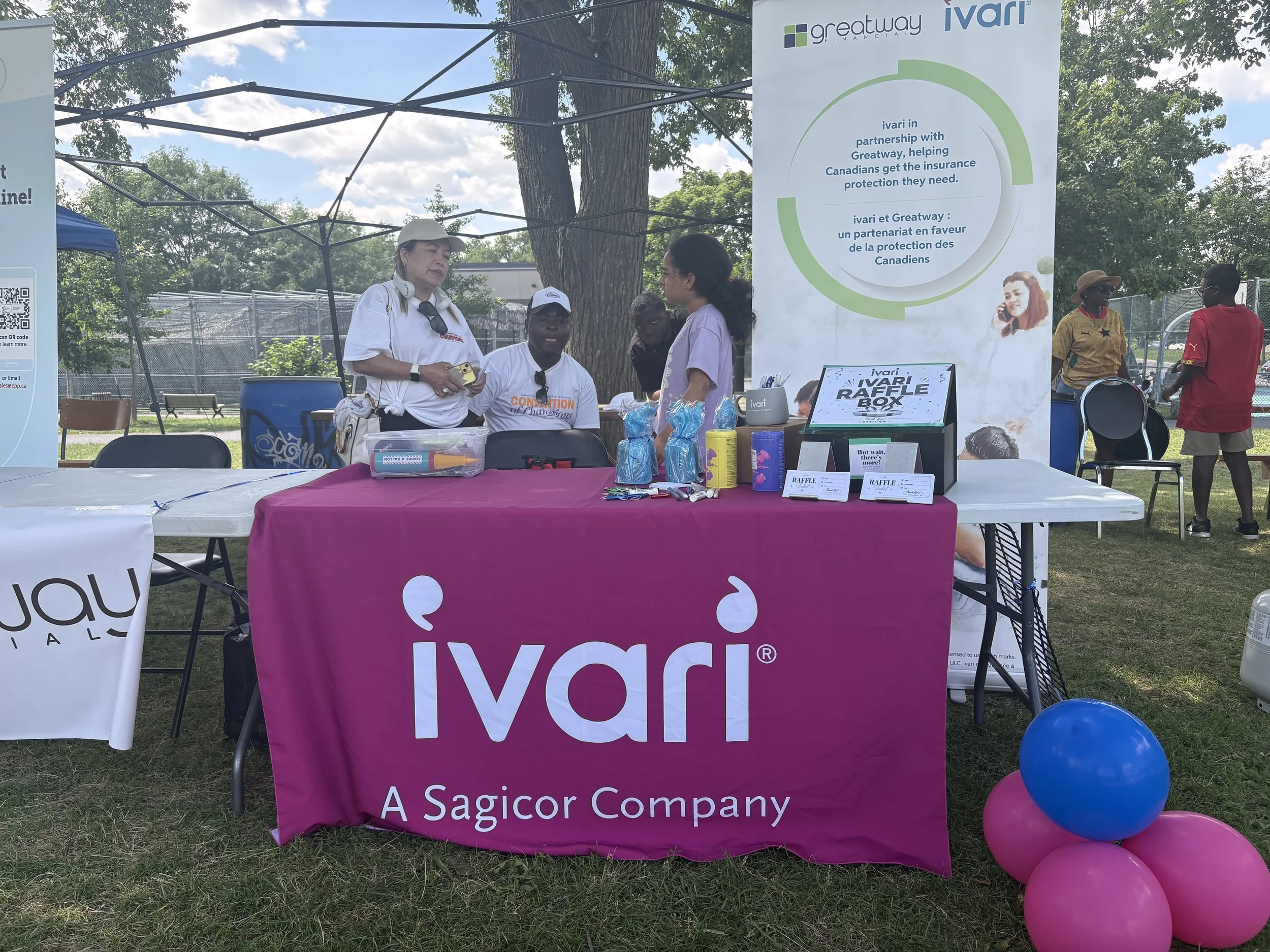
Walking through the festival grounds, we encountered community associations
representing the Ewe, Ga-Adangbe, Kwahu, Ashanti, and Zongo communities,
alongside churches including the Assemblies of God and The Church of Pentecost. One
particularly fascinating exhibit featured a professional hairstylist who had written a
book celebrating the uniqueness of African hair and educating visitors on its beauty
and care.
Later, The Maple Chronicles had the privilege of speaking with the president of the
event and several pioneers from Ghana House. They explained that GHANAFEST was
created with one central mission: to showcase Ghana to Canada. Beyond bringing
Ghanaians together, the festival introduces Canadians of every background to Ghana’s
culture, hospitality, traditions, history, and values.
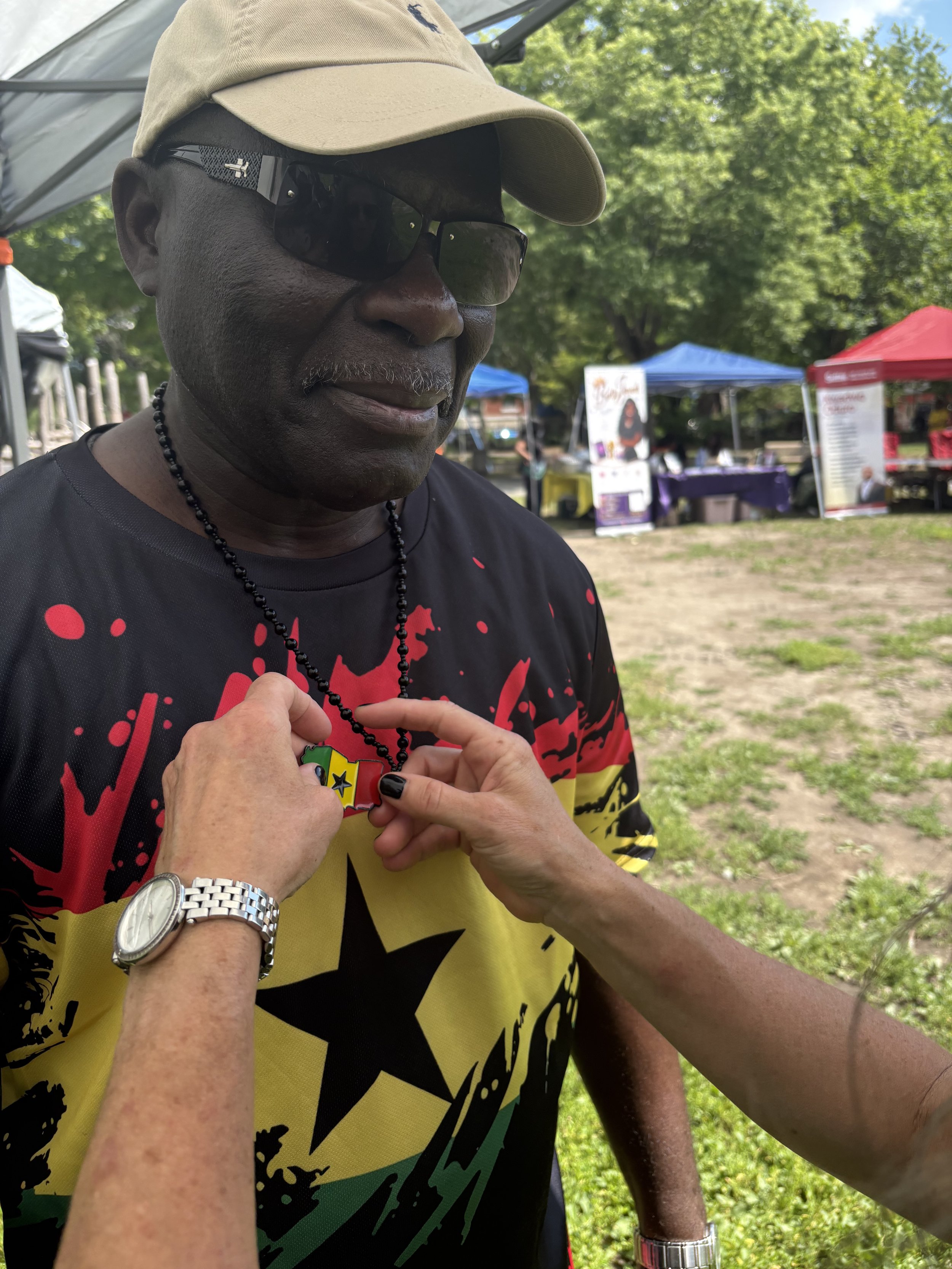
As visitors moved from one pavilion to another, they experienced traditional clothing,
food, music, dance, art, and storytelling. Despite the diversity of languages, tribes, and
customs, one quality united everyone we met: warmth. Everywhere we went, we were
welcomed with genuine smiles, open conversations, and generous hospitality.
Perhaps the most touching observation came from watching the younger generation.
Many live in communities or attend schools where they are among only a handful of
Black students. At GHANAFEST they looked around and saw hundreds of faces that
looked like theirs. They heard familiar languages, enjoyed familiar foods, and
experienced a sense of belonging that cannot easily be described. Moments like these
help build confidence, strengthen identity, and remind young people that they come
from a rich heritage.
As an African, a Black man, and an immigrant myself, I understand that feeling. Yet I
would also tell every young person this: never be ashamed of where you come from.
Your Ghanaian heritage is something to celebrate. At the same time, embrace the
opportunities that Canada offers. Your culture does not compete with your Canadian
future—it enriches it.
GHANAFEST reminds us that integration does not require losing our identity. We can
preserve our roots while growing new branches in Canadian soil.
As the music played, children laughed, families reunited, old friends embraced, and
new friendships were formed, one truth became impossible to ignore: home is not only
a place. Sometimes, home is a community. Sometimes, home is a shared meal.
Sometimes, home is hearing your language spoken thousands of kilometres away from
where your grandparents were born.
That is what GHANAFEST creates.
It creates home.
To everyone who attended, thank you for making this celebration unforgettable. To
everyone who missed it, consider this your invitation. Come next year. Bring your
family. Bring your friends. Bring your curiosity. Whether you are Ghanaian, Canadian,
or simply someone who loves discovering new cultures, GHANAFEST offers an
experience worth having.
At The Maple Chronicles, we believe stories like these strengthen communities, build
bridges between cultures, and remind us that diversity remains one of Canada’s
greatest strengths.
We look forward to seeing you at GHANAFEST next year.
A garden Suspended by resourcefulness, continued…
By Susan Dubé
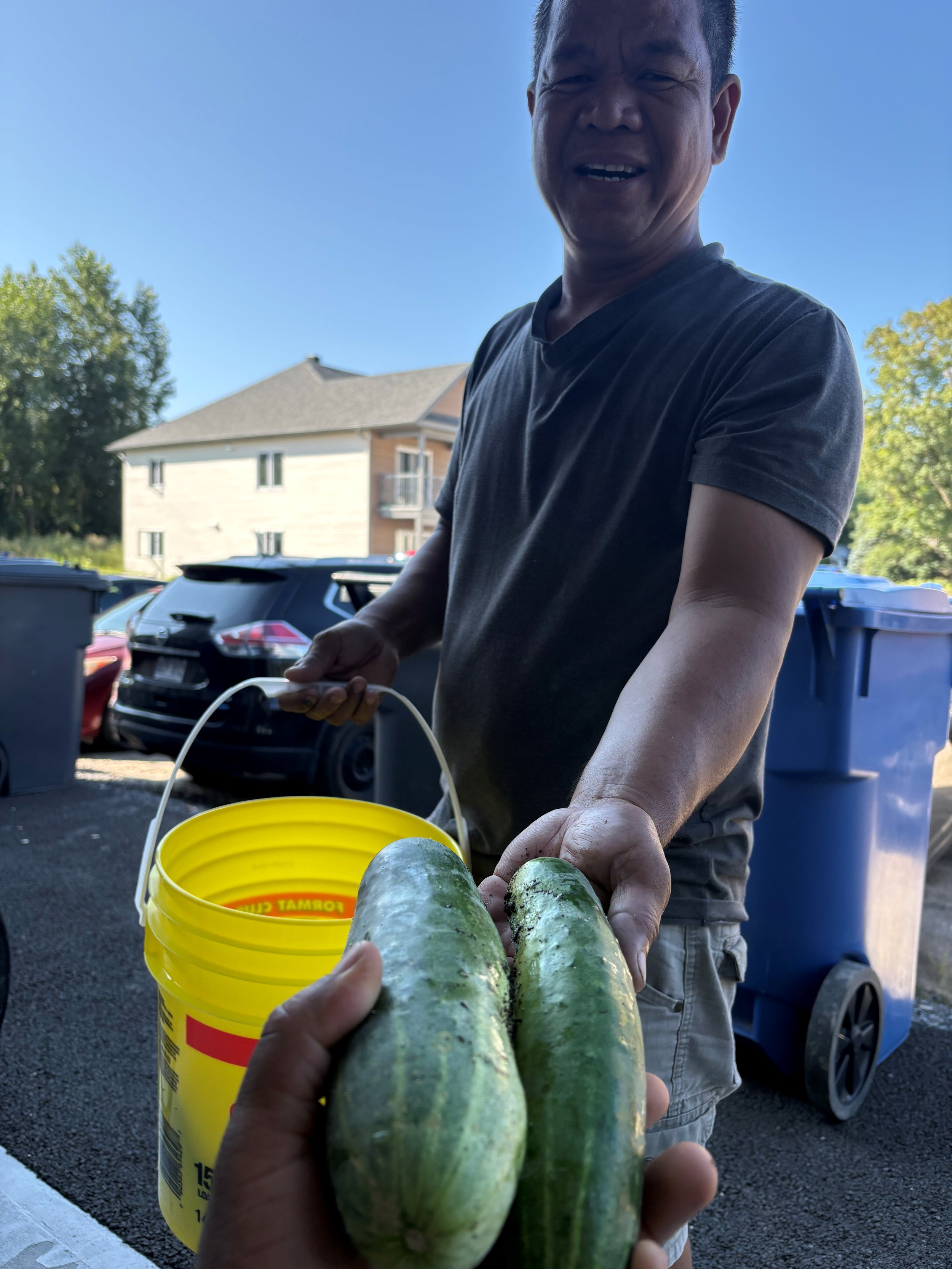
After just a few weeks of care, the garden has transformed into a true little miracle. It has become so magnificent that it seems to have always belonged there, as if it had grown naturally amidst the existing vegetation. To my eyes, it enhances the setting in an almost magical way, creating the impression of being in the heart of a tropical rainforest. As always, these big-hearted people share their harvest with neighbors from other nations, as well as with their own community. They do so with a sincere smile, humble pride, and a generosity that is deeply moving. Once again, this simple gesture—made without expectation and asking for nothing in return—touched me deeply. It reminded me just how beautiful, powerful, and deeply human the act of sharing can be. My thanks go to the Filipino people for their exemplary kindness.
A Garden Suspended by Resourcefulness
Next door to us, some citizens saw promise where others might have seen only a waiting piece of land. A small mound of black soil, placed there temporarily before the construction of a new apartment complex, became in their hands a fertile space, almost a living poem. Why let this forgotten patch lie dormant when it could welcome life? With a few scraps of wood, cut branches, rope, plants, and a great deal of imagination, they shaped a sloping garden of hope, simple and ingenious. In this gesture, there is more than creativity: there is tenderness for the earth, a quiet passion, and a magnificent lesson in resourcefulness. This simple act touches me deeply because it tells much more than a story about gardening. It speaks of memory, roots, patience, and dignity, even though today they work in Canada as heavy-duty mechanics, quality assurance technicians in factories, or in other skilled trades. Many of these immigrants carry within them the legacy of cultivated land. By making life grow in a forgotten place, they gently remind us that we can always recreate a home, sow beauty where no one expects it, and make hope bloom again with almost nothing—only with hands, courage, and heart.
Susan Dubé
Editor of The Maple Chronicles
Beyond Tribal Lines: Lessons for Immigrant Communities in Canada
Canada is widely recognized as one of the world's most successful multicultural societies. People from every continent arrive here carrying their languages, traditions, beliefs, and histories. This diversity has become one of Canada's greatest strengths, enriching communities and contributing to the country's economic and social development.
As an immigrant myself, I have observed something that deserves thoughtful discussion: the balance between preserving cultural identity and fully integrating into Canadian society.
Since arriving in Canada, I have noticed that many ethnic and linguistic groups establish associations based on their tribe, ethnicity, region, or language. In many cases, these organizations serve important and noble purposes. They provide support to newcomers, help members navigate life in Canada, preserve cultural traditions, and often raise funds to support projects in their countries of origin.
These are valuable contributions. Maintaining one's heritage is not only natural but also important. Culture gives people a sense of belonging and continuity.
However, there is another side to the conversation.
In many parts of Africa, linguistic and ethnic divisions have existed for generations. The continent is home to more than 2,000 languages and thousands of ethnic communities. While this diversity is a remarkable cultural treasure, it has sometimes contributed to tribalism, political divisions, and social exclusion. Too often, people have been judged not by their character or abilities, but by the tribe they belong to or the language they speak.
One of the great opportunities that Canada offers is the chance to move beyond such divisions.
Canadian institutions are largely built on principles of equality before the law, merit, and equal opportunity. In most workplaces, schools, and public institutions, a person's ethnic background carries far less importance than their qualifications, conduct, and contribution to society.
Yet, immigrants sometimes recreate the same social boundaries they left behind.
At work, it is not uncommon to see people naturally gravitating toward others who speak the same language or share the same cultural background. This tendency is understandable. Familiarity creates comfort. Speaking one's mother tongue provides a sense of security, especially for those who are still developing proficiency in English or French.
However, when these circles become too exclusive, they can unintentionally limit opportunities for broader engagement. People may miss valuable relationships, professional networks, and learning experiences that come from interacting with individuals from different backgrounds.
Integration should not be confused with assimilation. Canada does not require newcomers to abandon their cultures, languages, or traditions. Rather, integration means participating fully in society while maintaining pride in one's heritage.
The challenge for immigrant communities is to preserve culture without building walls.
Cultural associations can be powerful forces for good when they promote inclusion, education, mentorship, and community service. They become less beneficial when they reinforce divisions, encourage ethnic favoritism, or isolate members from the wider society.
The future of Canada's multicultural success depends on finding the right balance. We should celebrate our roots while building bridges across communities. We should teach our children the languages and traditions of their ancestors while also encouraging them to form friendships beyond their cultural groups.
Canada's strength has never been diversity alone. Its strength lies in the ability of people from diverse backgrounds to live, work, and build a common future together.
The goal should not be to erase differences, nor to retreat into separate cultural islands. The goal should be a society where diversity enriches unity rather than replacing it.
As immigrants, perhaps the greatest contribution we can make is not only bringing our cultures to Canada, but also embracing the opportunity to learn from one another, build meaningful connections, and create a stronger future for everyone.
Lawson Wurapa
Editor The Maple Chronicles
Editor, The Maple Chronicles
The Power of Volunteering
In a time where communities often feel disconnected and overwhelmed, one value is becoming increasingly rare—and yet, it holds remarkable power: volunteering.
“If you want to go fast, go alone. If you want to go far, go together.” — African Proverb
Volunteering is not just about filling a gap. It is choosing to show up when you’re not required to. It is giving your time, your energy, and your heart to something that could easily be paid for—but isn’t. That is what makes it extraordinary.
In a world driven by transactions and self-interest, volunteering remains one of the few actions rooted purely in purpose.
We often tell ourselves we are too busy. Or we assume these responsibilities belong to the government—institutions funded by our taxes. But the truth is simple: no system, no matter how organized, can meet every need all at once. There will always be gaps, overlooked people, and moments waiting for someone to step in.
And that someone is us.
Every time someone chooses to volunteer, they become part of the solution. They bring light where there is neglect, hope where there is silence, and action where things are delayed.
So why do we volunteer?
We volunteer because we know community isn’t built by policy alone—it’s built by people.
Because we know impact isn’t always measured in dollars, but in presence.
Because deep down, we recognize that the strength of a society is revealed not in what it demands—but in what its members are willing to give freely.
Volunteering is not just service.
It is leadership.
It is compassion in action.
It is humanity at its best.
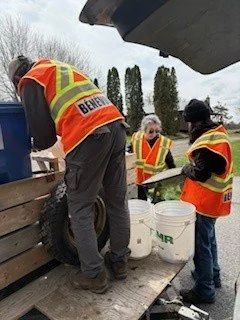
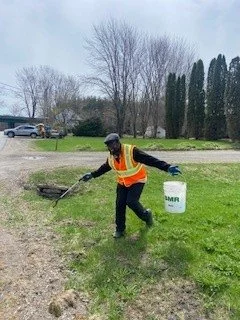
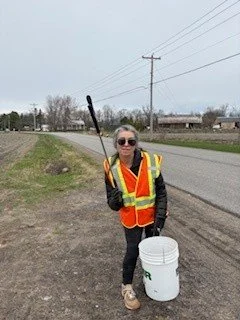
This is what the representatives of the virtual newspaper did with the organization “Les amis de la chicot” by taking part in a roadside litter clean-up in the town of Saint-Cuthbert. Thank you to this volunteer association that makes small miracles possible.
Between Faith and History: A visit to Musée d’Art de joliette
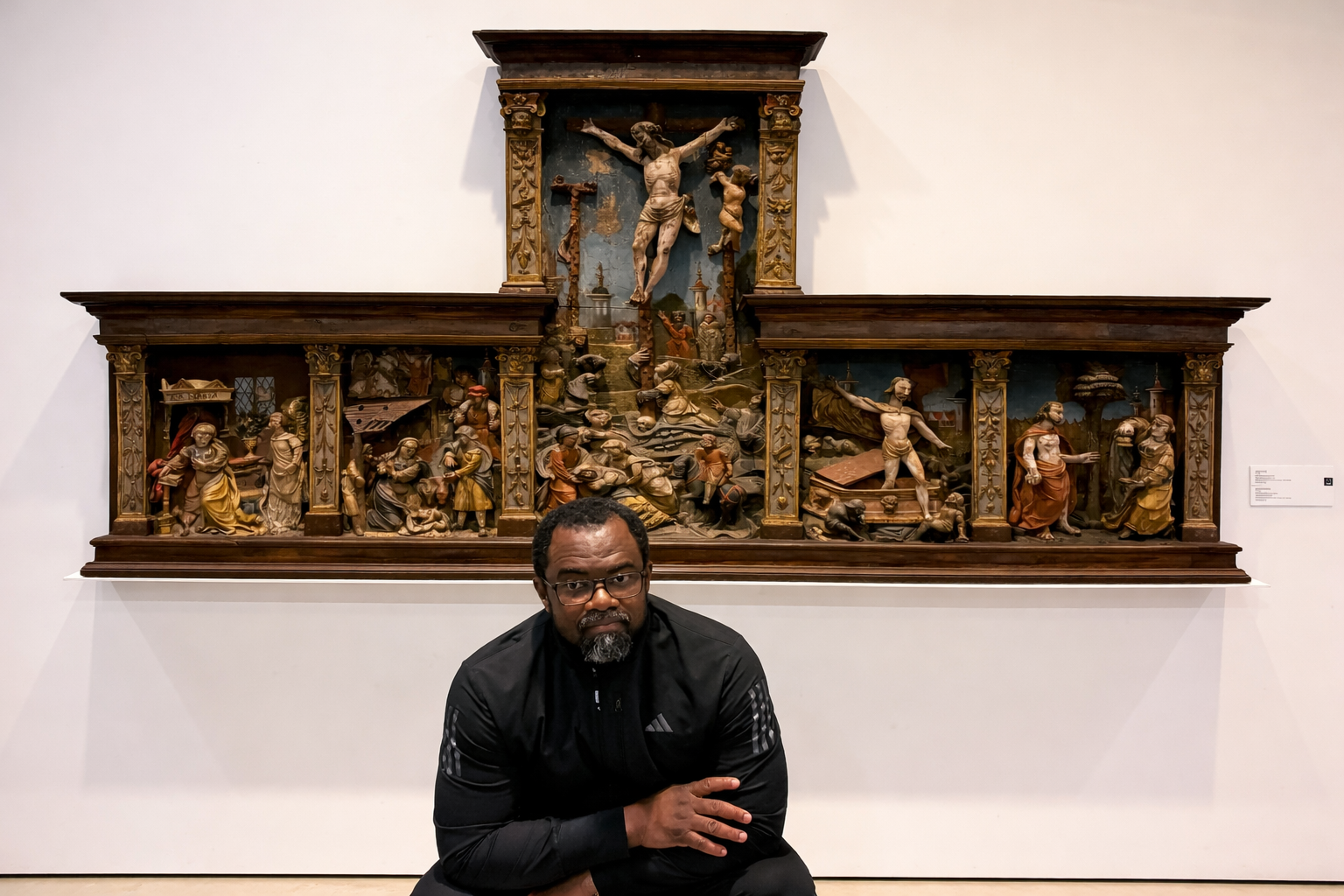
I am not in a church, and I have not come to see a Catholic priest. Yet as I stand in front of these works of art, I find myself facing one of the most powerful symbols in human history — the cross. In a museum, the symbol no longer belongs only to worship. It becomes part of history, memory, and artistic expression.
Here in the Musée d’Art de Joliette in Quebec, faith and culture intersect. The sculptures, paintings, and installations remind visitors that religion once shaped entire civilizations. Churches were not only places of prayer; they were also centers of artistic creation.
Some of the pieces preserved in museums today trace their origins back to sacred spaces and traditions that date centuries into the past. What once stood in sanctuaries now sits carefully preserved in galleries where people from many cultures can reflect on their meaning.
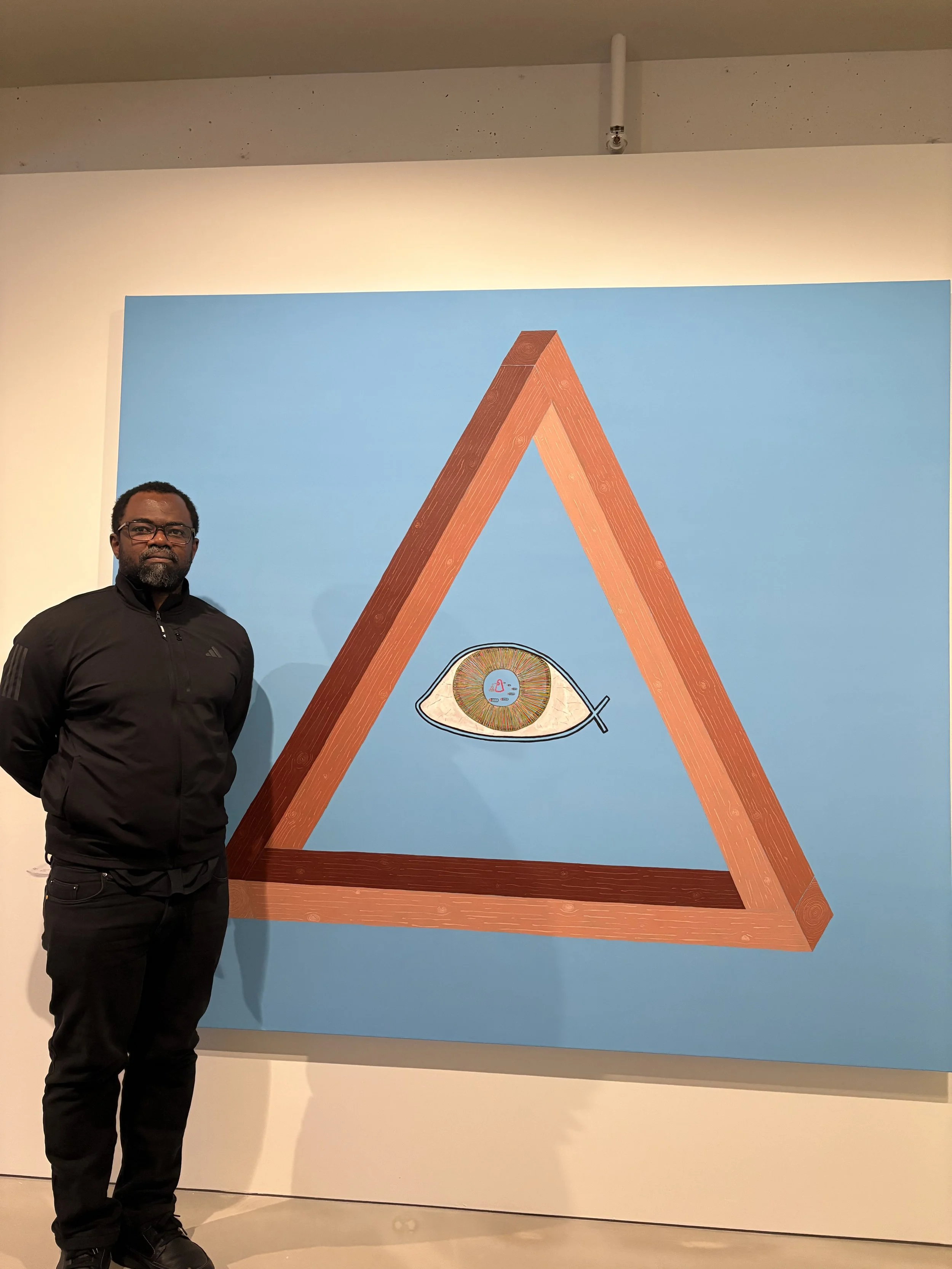
Museums allow us to encounter history without fear or judgment. When we walk through these halls, we are invited to see how belief, creativity, and human struggle have shaped societies over time.
The Musée d’Art de Joliette does not present only religious objects. It also presents contemporary works that challenge us to think about modern life — technology, identity, race, culture, and the environment.
Some artworks question how humans treat the earth. Others explore how societies deal with difference. In many ways, art becomes a quiet voice speaking about justice, history, and the human condition
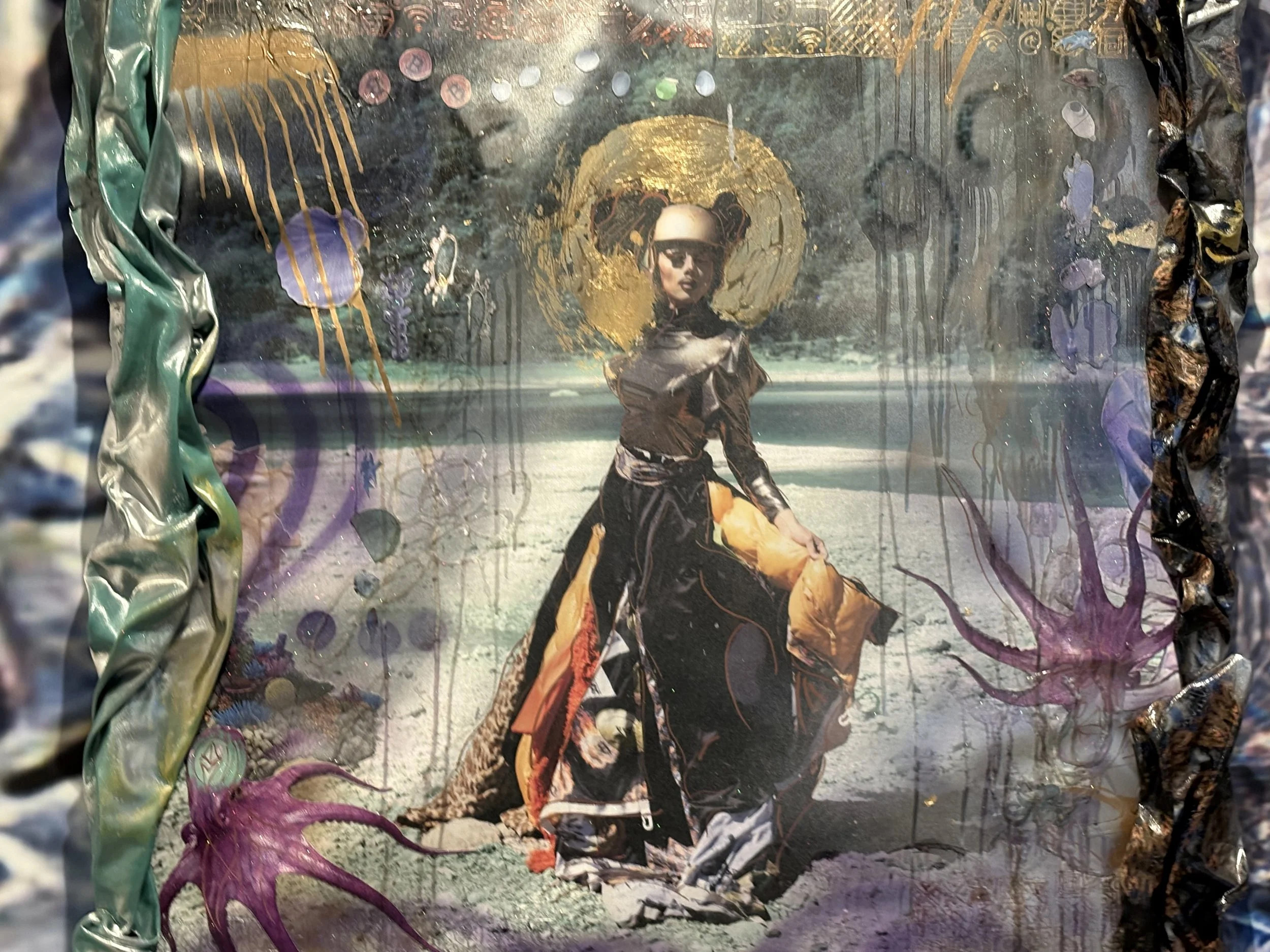
Walking through the museum feels like traveling through different centuries. One room may hold ancient sacred carvings, while another displays bold modern installations that experiment with color, technology, and digital projection.
In another gallery, visitors encounter experimental art pieces made from everyday materials such as fabric, recycled objects, and even human hair. These pieces remind us that art does not always come from precious materials — it often comes from imagination.
Perhaps the most interesting aspect of the museum is how it invites visitors to become creators themselves. Some sections allow guests to explore artistic expression using tools and materials made available right there in the museum.
When Difference No Longer Needs an Explanation.
Editorial / Opinion
By Lawson Kwesi Wurapa
Not all lessons arrive through policy papers, speeches, or national debates. Some arrive quietly, disguised as ordinary moments.
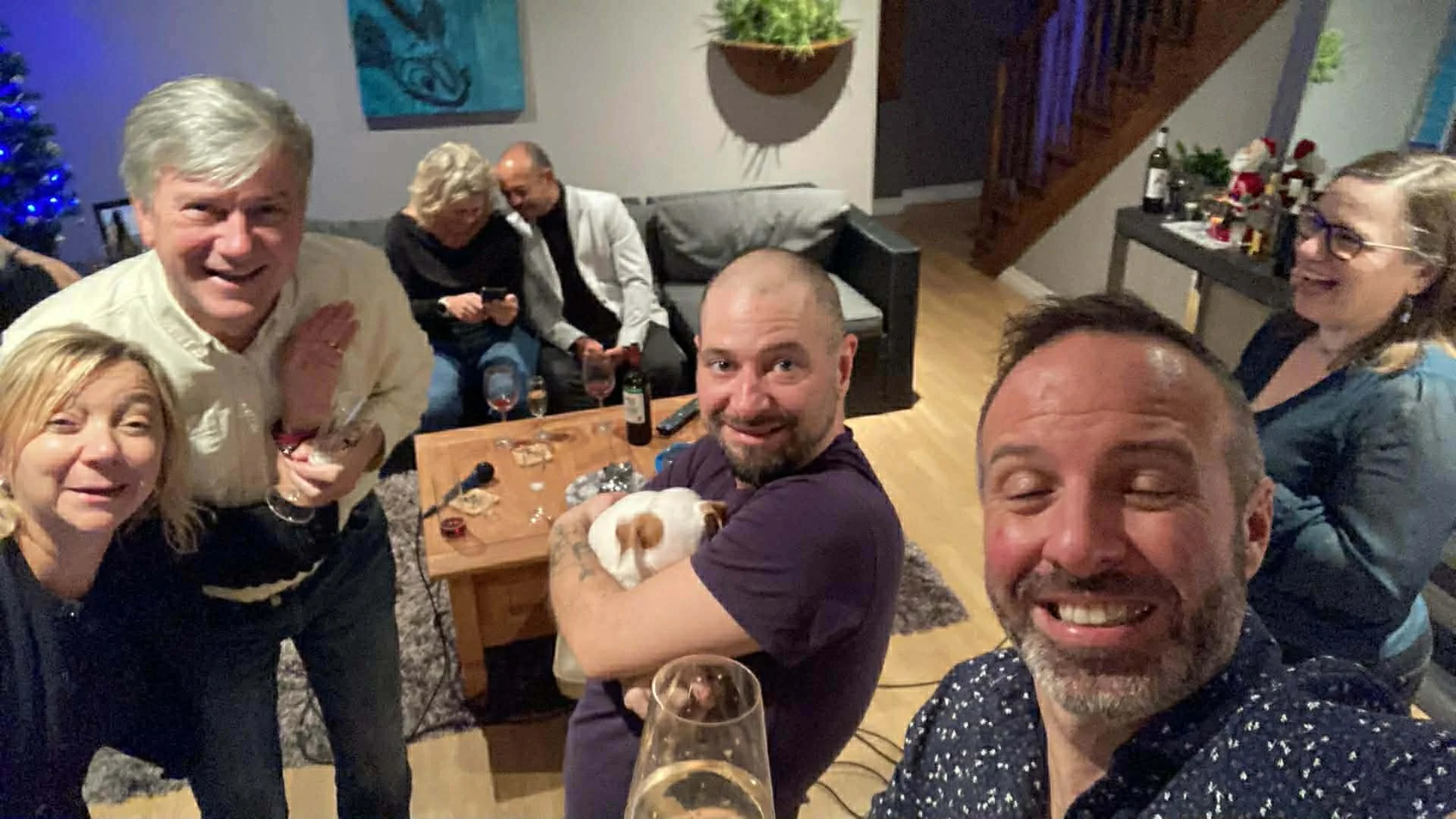
Yesterday evening, Susan and I attended an end-of-year gathering among friends. There was no formal structure. No agenda. Everyone arrived alone, each bringing food or drinks to share. In total, we were about twelve people—hardly enough to make headlines, yet enough to reveal something essential.
Around that table sat a Ghanaian, a Colombian, a French presence, and members of the LGBTQ community. Different histories. Different cultures. Different identities. Yet none of these differences demanded explanation.
What unfolded was simple—and that simplicity is precisely what made it powerful.
Food circulated freely. Jokes crossed accents and backgrounds without caution. Songs emerged in different languages, yet voices joined without hesitation. There was laughter, warmth, and ease. No one paused to measure words. No one braced for misunderstanding. There was no friction to manage and no identity to defend.
This is worth reflecting on.
Much of public discourse today treats diversity as a challenge to be solved or a tension to be managed. We debate integration, tolerance, and coexistence as if harmony requires constant negotiation. But last night offered a quieter truth: when respect is present, difference does not need supervision.
As the evening progressed, the atmosphere shifted. Conversations slowed. Laughter softened. A sense of shared calm settled over the room. Without anyone naming it, a collective realization emerged—we were not merely attending a party. We were participating in something rarer.
Belonging.
Not the kind enforced by similarity, but the kind made possible by mutual regard.
What stood out most was what did not occur. There were no awkward silences. No subtle exclusions. No invisible lines separating who belonged and who did not. Everyone occupied the space fully and comfortably, without conditions.
When it was time to leave, there was hesitation. Goodbyes lingered longer than usual. Hugs carried meaning. Each person stepped back into the night carrying the same quiet thought: this is what a healthy society feels like.
Not loud. Not performative. Just human.
This was not an argument for diversity. It was evidence of it.
And perhaps that is the point worth holding onto—that unity does not require sameness, and belonging does not need permission. Sometimes, all it takes is a table, shared food, open hearts, and the willingness to let difference exist without explanation