The Same Foundation
Reflections on Human Unity
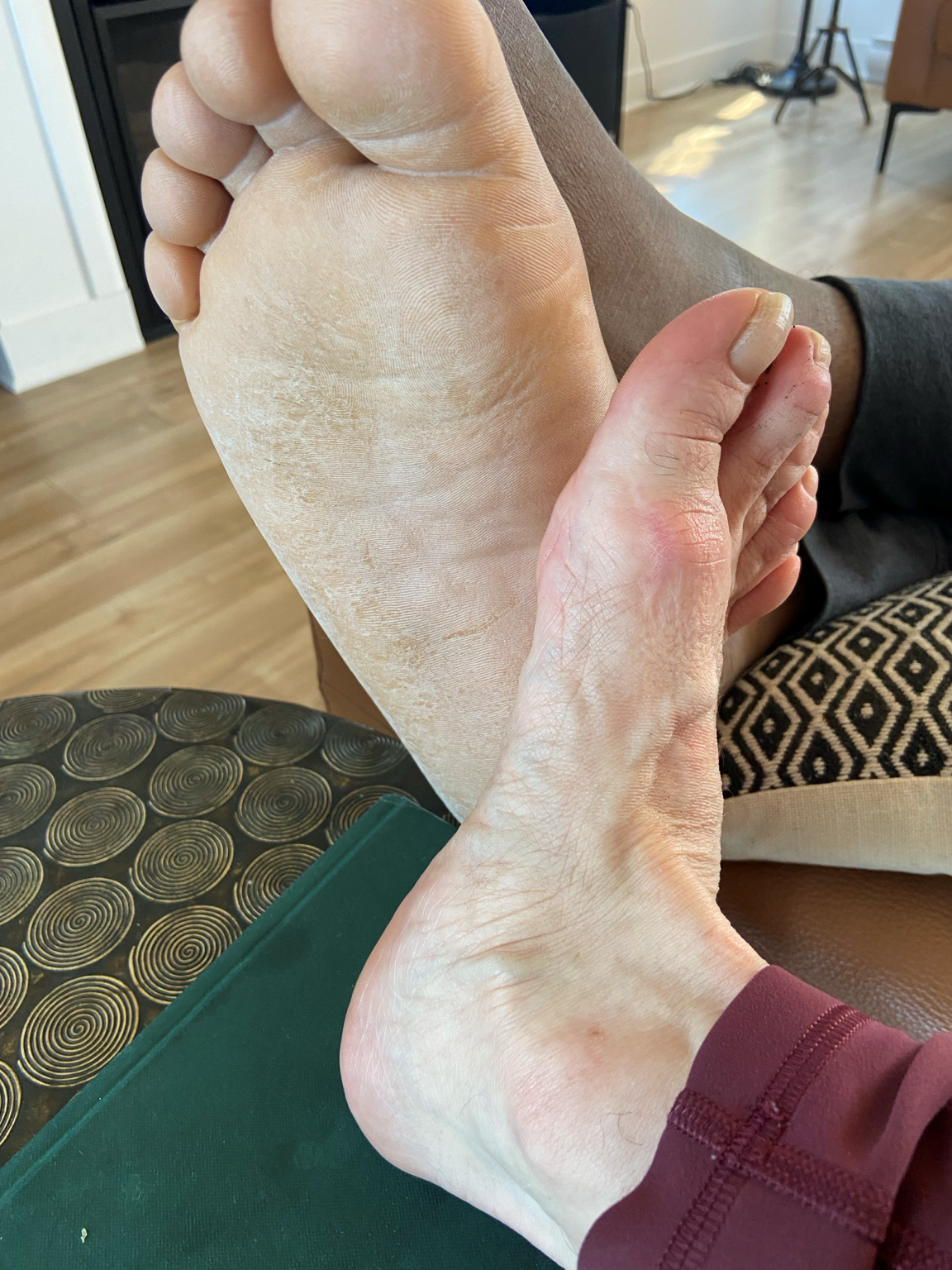
At first glance, the picture almost creates confusion. One foot belongs to a Black person, the other to a white person — yet the soles appear strangely similar. For a brief moment, identity disappears. Color disappears. Assumptions disappear. What remains is simply humanity.
Nature itself seems to whisper a quiet message through the human body: beneath the surface, we are far more alike than we imagine.
The skin may carry different shades, histories, climates, and ancestries, but the sole of the foot — the very part that touches the earth — often reveals a softer, lighter tone in people of African descent. The palms of the hands too. It is one of the fascinating details of human biology that many people notice but rarely stop to reflect on deeply.
Scientifically, the explanation is connected to melanin distribution. The palms and soles contain thicker skin and fewer pigment-producing cells compared to the rest of the body. But beyond science, there is also poetry hidden in it.
Perhaps the universe itself leaves subtle reminders inside the human body so that pride never becomes absolute.
The darkest man still carries light in his palms.
The fairest person still bleeds red beneath the skin.
And every human being, regardless of race, walks on the same earth with nearly identical feet.
There is something symbolic about the soles being lighter. The sole is the point of contact with the earth. It bears weight, pain, journeys, labor, migration, suffering, survival, and movement. It is almost as though nature intentionally made the part that connects humanity to the world more universal than different.
Many Black children grow up running barefoot on dusty roads, hot sand, village paths, farms, and rough ground. Yet despite years of walking directly on the earth, the soles still do not permanently become black like the outer skin. It is as though the body refuses to let the foundation lose its original neutrality.
Perhaps humanity was never designed to define itself mainly by the outer layer.
Perhaps the body itself quietly protests against racism.
Because when hands open, palms look alike.
When shoes come off, soles resemble one another.
When tears fall, they carry no tribe.
When pain arrives, it asks no nationality.
Even the word “sole” sounds remarkably close to “soul.”
The soul of humanity may be exactly like the soles of our feet: hidden beneath us, often unnoticed, carrying us all equally, untouched by race even when the outer skin differs.
Different flowers. One soil.
Different rivers. One ocean.
Different paths. One destination: humanity.
No matter how far humanity walks from one another, we still stand on the same foundation.
By Lawson Kwesi Wurapa
Community, Culture, and Connection on the Pitch: The Maple Chronicles Visits a Soccer Fun Club
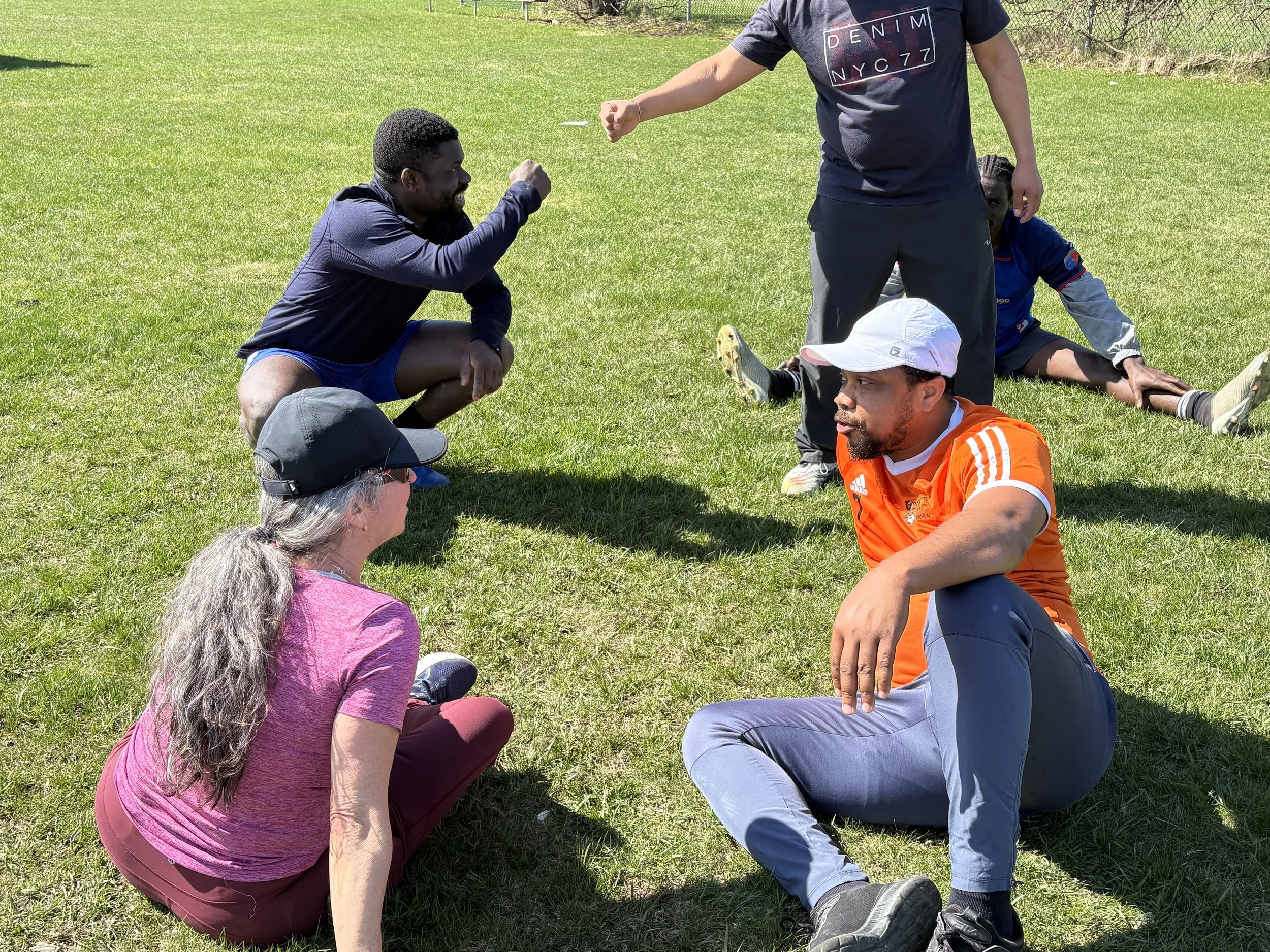
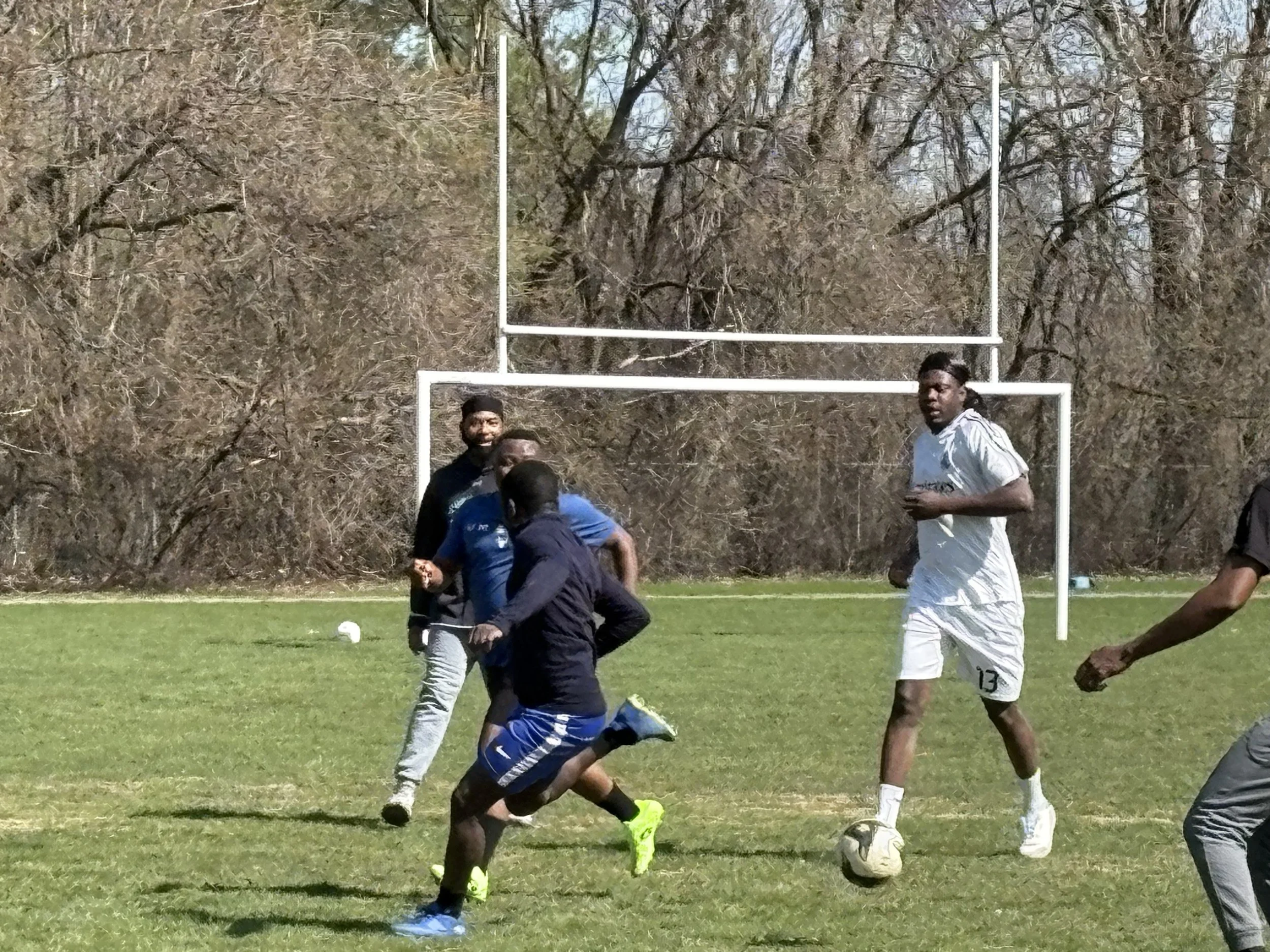
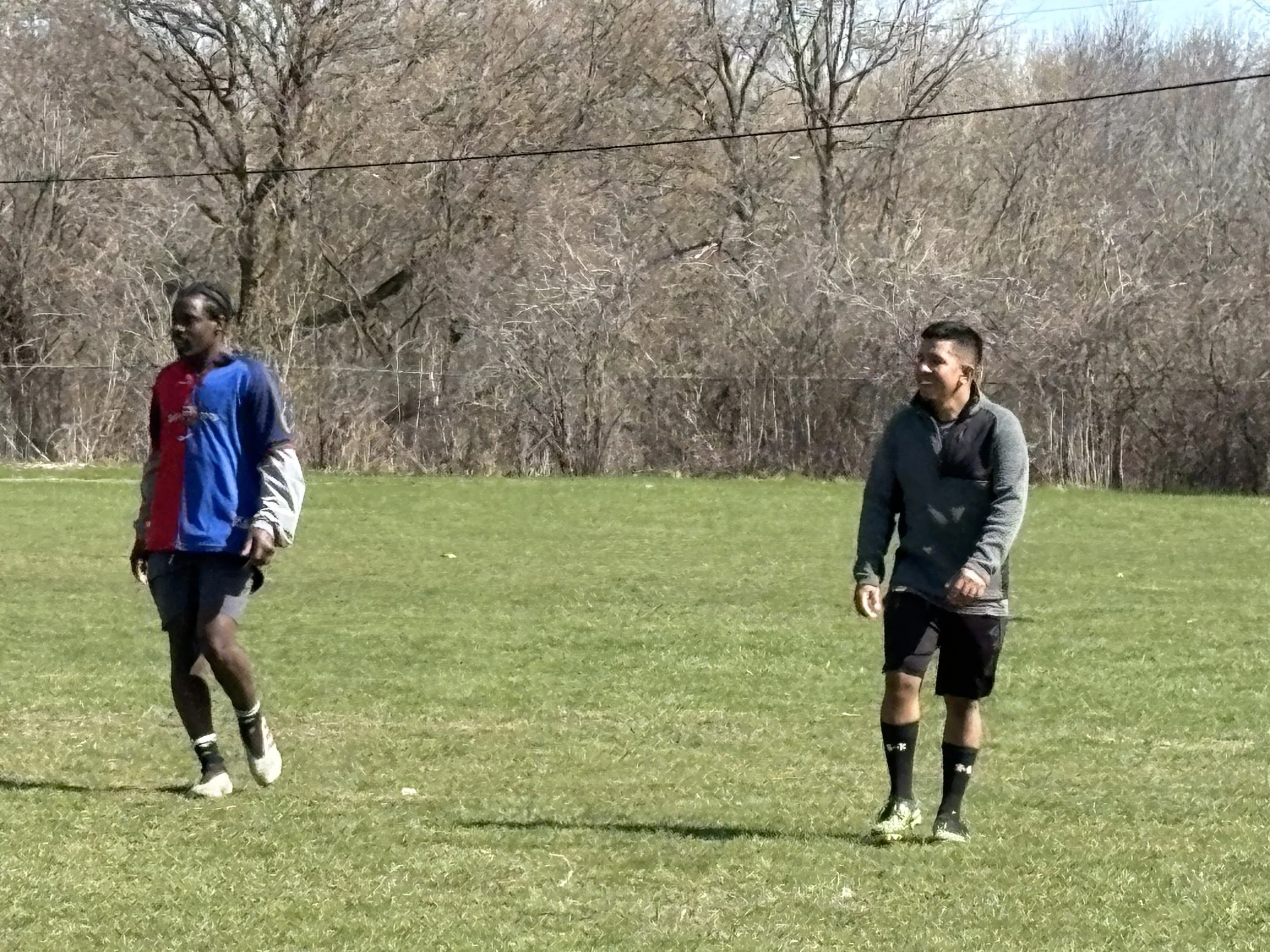
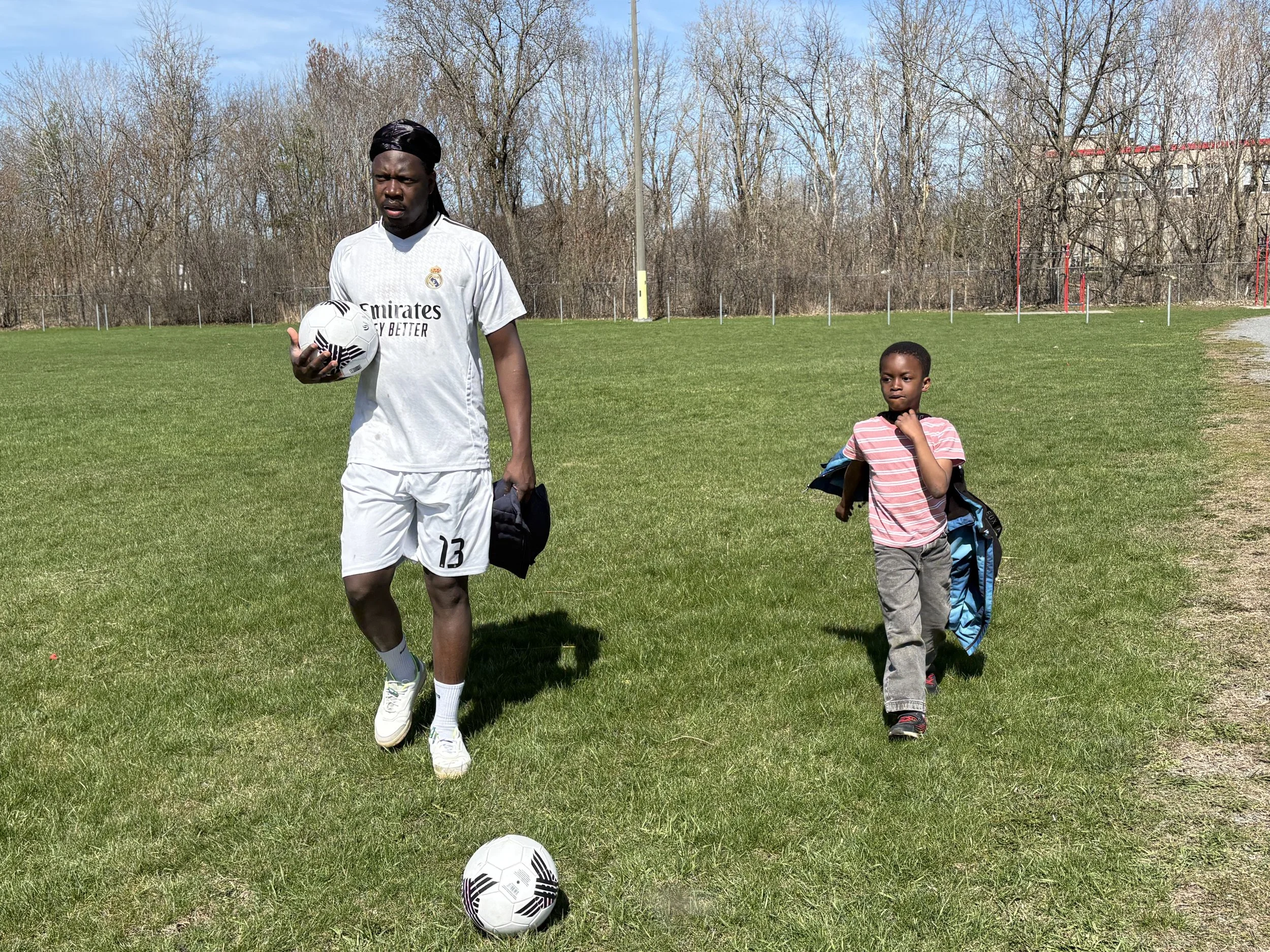
On April 26, 2026, the team from The Maple Chronicles paid a special visit to Soccer Fun Club at the Huntingdon Secondary School Park, opposite the hockey field in Huntingdon. The club is a vibrant group of immigrants from diverse countries who come together to enjoy their free time through sports, music, and friendship.
The visit was more than just an interview—it became an unforgettable experience. Our team had the opportunity to join the players on the field for a friendly soccer match, and it quickly became clear that many of the members are exceptionally talented. Some of them are former or even professional-level footballers who, for various reasons, could not continue pursuing careers in sports. Yet, their passion for the game remains alive and strong.
Beyond football, we discovered that the club is also home to creative talents. During an interview with the group’s leader, we learned that several members are instrumentalists who enjoy making music in their spare time. Though not all are professionals, their shared love for music adds another layer of unity and joy to the group.
Based in Huntingdon and its surrounding communities, Soccer Fun Club serves as a meeting point for immigrants seeking connection, recreation, and a sense of belonging. When asked about their long-term vision, the group’s leaders explained that their primary aim is simple: to have fun, stay active, and strengthen community bonds.
At The Maple Chronicles, we celebrate such inspiring stories of togetherness and encourage groups like Soccer Fun Club to continue spreading love, unity, and positive energy throughout the community.
The leaders of the club also expressed heartfelt gratitude to the local community for consistently opening the park gates and granting them access to the pitch. This support has made it possible for them to gather regularly and keep the spirit of sportsmanship alive.
Of course, no great soccer story is complete without a little drama. Susan, our correspondent on the day, suffered a knee injury after attempting an ambitious bicycle kick during the match! Thankfully, the injury did not stop her from doing what she loves most—sharing meaningful stories and capturing unforgettable community moments for our readers.
Personal Reflection
When we arrived with Lawson, I immediately felt that the atmosphere was not one of “every person for themselves.” From the very first minutes, my heart was beating a little too fast—not because I wanted to impress anyone, but because I wondered if I would truly find my place. I am not an exceptional player, I know that… and yet, on the field, I was treated as though I was already one of them.
The passes came to me naturally, without hesitation, like a small gesture saying, “We see you. We trust you.” In that moment, I felt a simple but deep pride: the pride of contributing, even modestly, to the team’s effort.
What touched me even more was that no one was there to judge or measure anyone else’s worth. We laughed, encouraged each other, and spoke as if we had known one another for years. I could see that, at the heart of it all, the goal was simply for everyone to have a good time.
I found myself breathing more freely, letting go of my self-consciousness. That was when I truly understood, in a very concrete way, the strength of the immigrant community: a solidarity shown in the little things—in the way people include you, share space, and make room for others—without stopping to consider race or identity.
As I left, I found myself thinking that this kind of “we” is something we would benefit from cultivating more here as well, especially in a culture that can sometimes become too individualistic.
Soccer Fun Club is proof that sports can do more than entertain—they can unite people across cultures, create lasting friendships, and build stronger communities.
Have a similar story in your community? Share it with The Maple Chronicles—we’d love to tell it.